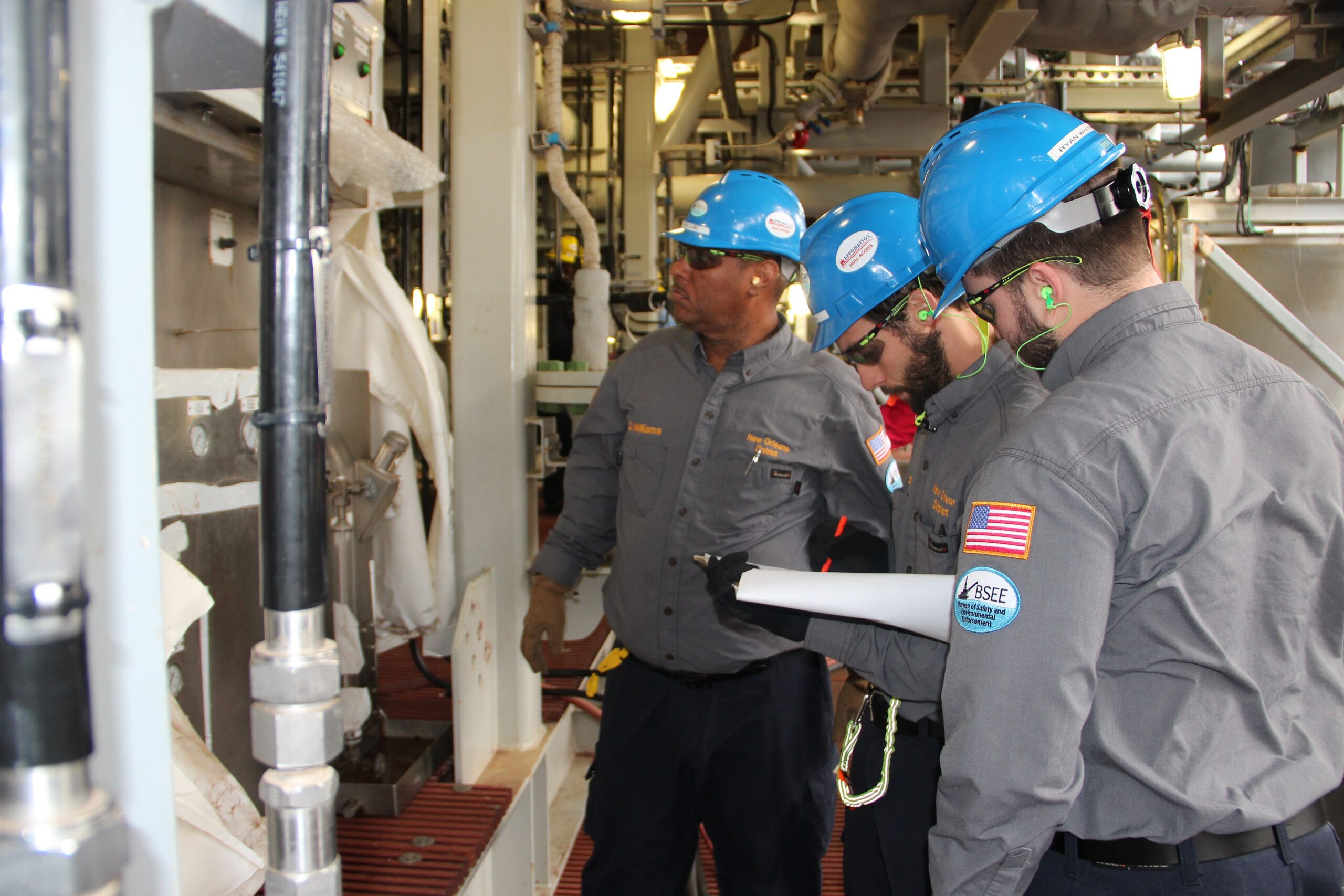
In high-consequence industrial work, documentation is part of operational control. Clear records help clients and delivery teams understand what was planned, what was executed, what was inspected and what remains outstanding.
At OMALU, control and traceability are core principles: every step is documented to ensure evidence of compliance and quality. When records are missing or scattered, small gaps add up — a scope understood differently by different people, a certificate assumed but not verified, an inspection carried out but not recorded — and each can lead to rework, delays or disputes.
Clarity before the job
Scope definitions, workpacks, checklists and acceptance criteria reduce ambiguity before execution begins. They establish a common reference for teams, supervisors and client interfaces.
Good execution begins before the first job in the field. Our planning step includes clearly defining the scope, identifying hazards and risks, verifying the competence of resources, coordinating interfaces, and confirming procedures and reporting requirements. Mobilisation and documentary readiness are part of the same discipline.
Visibility during execution
Field reporting, inspection records, punch lists and corrective-action tracking create visibility while work is in progress. This supports earlier identification of gaps and provides a clearer basis for decisions.
Daily work logs, toolbox talk records, QA/QC records and NCR and punch-listing support give supervisors and clients a real picture of progress while there is still time to act.
Evidence at close-out
A structured handover pack can include agreed work records, checklists, inspection evidence, photographs where applicable and punch-list close-out. This gives clients traceability and reduces uncertainty around completed work.
For documentation to reduce risk, people must also work from the right version. Practical document control means documents are categorised and versioned, approvals are recorded, access is controlled and evidence can be searched quickly. The OMALU Intelligence Platform was developed to bring these processes together in a single system — work orders, projects, assets, tasks, incidents, inspections, training, documentation and approval flows — with the aim of eliminating scattered paperwork, harmonising procedures, improving efficiency and ensuring full traceability.
Documentation discipline does not replace competent execution. It provides the evidence and control framework that make disciplined execution visible and verifiable.
Our approach remains the same on every scope: understand the scope, structure the response, mobilise correctly and deliver with evidence. Talk to us about your project, campaign or operational need.